Main setting
Public ceremonies and private conversations happen at once, so the same character can look different in each scene.
Story guide
Start with the main plot and character relationships, then move to choice, chapter and ending guides at the spoiler level that suits your playthrough.
Short answer
Public ceremonies and private conversations happen at once, so the same character can look different in each scene.
Succession, public loyalty and competing memories turn a small reply into a change of mood in the next scene.
Use this plot overview for the broad flow, then use the choice and ending pages for saves, branches and exact outcomes.
Page scope
| Question | What this page covers | More detail |
|---|---|---|
| Full plot | The world carried from the first game and the sequel's main conflict | Story guide |
| Chapter order | What each act does and how spoiler levels change | Chapter guide |
| Choice results | How a reply changes trust, pressure and atmosphere | Choice guide |
| Ending conditions | The emotional and political context behind a conclusion | Ending guide |
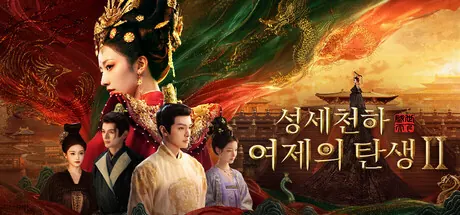
The Road to Empress 2 story follows a character who enters a court where the order of things already looks settled, then has to rebuild the meaning of memory and choice. Imperial commands arrive in formal language, while the people around them read the fear and hope hidden underneath. To understand a scene, notice who speaks, who is listening and how the line may be used in the next meeting.
The central threads are succession, relationships between people proving their loyalty and conflicting memories of earlier events. From the protagonist's viewpoint, no single explanation is enough to settle what happened. The same gesture may look like courtesy in public and a warning or negotiation in private. The story becomes clearer when those two readings are kept side by side.

Players who experienced the first game will recognise names and court rules more quickly in the sequel, but Road to Empress 2 does not simply repeat the earlier plot. Old relationships and remembered choices are reinterpreted through new positions, a wider set of court factions and different responsibilities. New players receive enough present-day context in dialogue to follow the conflict, while returning players may notice tension sooner.
The useful bridge between the two games is not memorising every name. Track who can deliver an imperial order, who can amend it and who bears the cost that never reaches the official record. In the sequel, private fondness is not a complete relationship measure: a public declaration of loyalty and a private act of trust can lead to different consequences.
Relationships in Road to Empress 2 are not a simple affection meter. A kind reply to one person can look like public factionalism to another, while silence may be read as a dangerous promise. Even when the game does not show a number after a conversation, a later tone of voice or a newly available piece of information can signal that the relationship moved.
Court scenes become easier to read when you separate three layers. The first is the visible layer of ceremony and official orders. The second is private negotiation between family, aides and attendants. The third is the inner record the protagonist must interpret alone. When the layers agree, a stable route is more likely; when they conflict, the risk and tension of a choice rise.
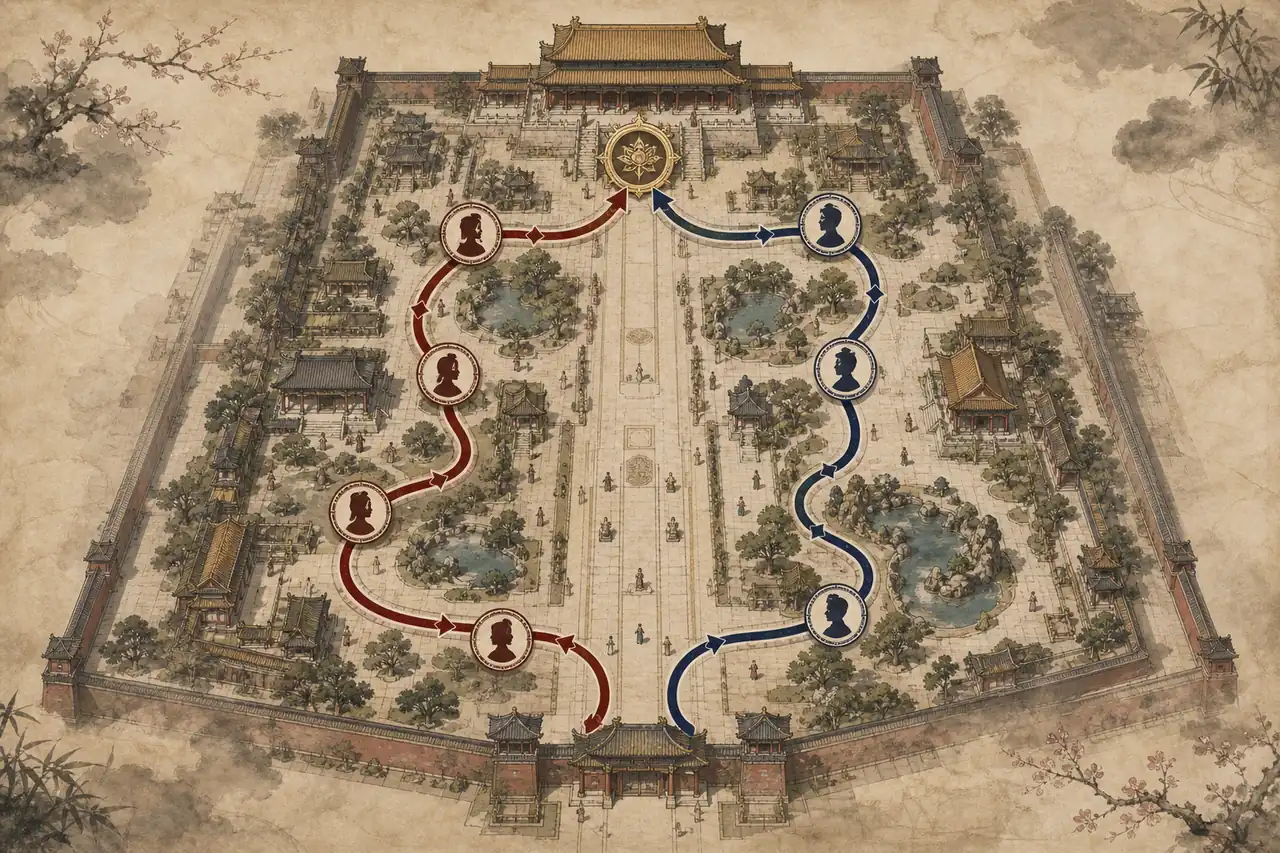
The succession conflict is not only a contest to identify the nicest person. Each faction imagines a different way to stabilise the country, protect family or leave a name behind. You may sympathise with one argument without turning every opposing answer into an evil route. The key question is who receives the cost of a decision and whether the protagonist can carry it.
Trust is tied to memory. One person can call the same event betrayal, while another calls it silence needed for survival. The game leaves some explanations open until a repeated scene or a different conversation fills in the gap. On a first playthrough, note what you accepted as fact instead of rushing to a final judgement.
People search for the Road to Empress 2 story for different reasons. Some want the mood and cast before starting, while others need to understand a blocked chapter quickly. The guide keeps those needs apart by moving from shared background to relationship reading and then to branch and ending interpretation. Pick a spoiler level before scrolling so a quick answer does not reveal more than you wanted.
At the low-spoiler level, check the protagonist's place, the imperial power structure and the link between the two games. At the middle level, look at why a person approaches or avoids the protagonist and which replies increase public pressure. The high-spoiler level discusses broken relationships, survival and the emotional meaning of an ending; open the ending guide with a save plan when you need exact order.
Read the setting and relationship overview first, leaving the first playthrough's tension intact.
When a scene blocks you, use the chapter guide to confirm your position and save point.
After one finish, compare branches with the choice and ending guides.
Use the story map and achievement pages last to organise scenes you missed.
A Road to Empress 2 ending is difficult to explain from its last line alone. A similar final image can feel different depending on whom you trusted, which public promise you made and whether you kept separate saves. When comparing endings, list the events that remain constant beside the relationships that change with each branch.
An unanswered question is not automatically an error or a hidden correct answer. FMV storytelling can leave room through expression, editing and silence. Confirmed official information, a scene you observed in the game and a route tested by a community have different evidence status, so an ending explanation should keep them separate instead of presenting all three as fact.
Plot reading and choice walkthroughs serve different jobs. First use the story explanation to understand a person's goal, then open the choice page for a reply that fits that goal. You avoid unnecessary spoilers while still solving a blockage. Understanding what a choice protects and what it gives up is more durable than memorising a line when an update or translation changes the wording.
Name saves after the chapter and scene purpose: before a formal meeting, before a private confession or before a succession declaration. After choosing, write one sentence about the next reaction. If the result surprises you, return to the nearest save instead of rewinding many scenes at once; a smaller comparison reveals which decision carried the weight.
Official references
Frequently asked questions
Related guides