What to watch
Record trust, face, faction risk, witnesses, and the next-scene reaction in public and private conversations.
Romance route guide · evidence and saves
Use this Road to Empress 2 romance guide to read relationship signals, separate Li Zhi and Li Tai route boundaries, and protect your saves before a risky choice. It is a relationship planning page, not a universal list of unverified love interests.
Quick answer
Record trust, face, faction risk, witnesses, and the next-scene reaction in public and private conversations.
Keep Li Zhi, Li Tai, the side story, and the full choices guide in separate planning blocks instead of one magic answer list.
Keep a stable slot, a route-entry slot, and a disposable test slot before any relationship lock or public promise.
Intent boundary
| Search question | Best answer here | Continue with |
|---|---|---|
| What is a romance route? | Relationship signals, public/private choices, route locks, and evidence limits. | This guide |
| How does the Li Zhi relationship work? | A trust and court-pressure reading framework. | Li Zhi character guide and this guide |
| How do I enter the Li Tai route? | Entry state, side-story boundary, and save planning. | Li Tai route guide |
| Which exact answer is correct? | State diagnosis and one-variable testing before replaying. | Choices and walkthrough |
| How do I clean up endings and achievements? | Stabilize the relationship route before completion work. | Endings and achievements guides |
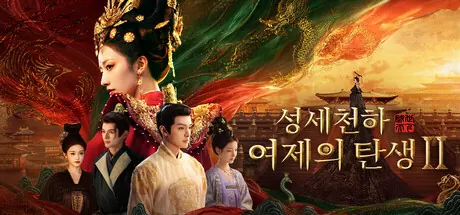
Players who search for a Road to Empress 2 romance guide usually want three answers at once: who can become close to the protagonist, which replies protect that relationship, and which ending follows. Those are different questions with different evidence. The official Steam page describes palace politics, supporting characters, consequences from choices, and intimate interactions. It does not publish a complete official table of hidden affection values or every romanceable character.
The safest starting rule is to avoid translating the word relationship directly into a romance meter. In this game a relationship can mean affection, protection, public loyalty, political alliance, surveillance, or danger. A warm private reply may build trust, while the same reply in a court meeting can look like a public faction promise. Watch the next scene, the witnesses, the information you gain, and the tone of the response before deciding what changed.
Some public romance guides list several names, gifts, and final scenes, but they do not always show whether the information is official, player-tested, or invented for a generic guide. This site does not turn an unverified list into a canon character database. Start with first-party product facts, then use your own scene and result records, and finally compare community testing that states its language, patch, and previous route state.
A choice-driven palace story does not make every kind sentence a romance gain or every firm answer a romance loss. A reply can protect another character's face, hide damaging evidence, accept a public responsibility, or create a witness. The useful question is not only whether a character likes you. It is whether the choice leaves the relationship, the protagonist, and the next option in a safer state.
Before choosing, write down three things. Is the speaker alone or being watched? Does the reply show trust, or does it create a public alignment? Will the consequence appear immediately, or could it arrive in a later chapter? This record remains useful when a translated sentence changes. It also explains why a relationship choice can affect the route without displaying a visible number.
The riskiest troubleshooting move is to paste a one-line answer from the internet over a stable save. The same dialogue can depend on who you helped earlier, which evidence you saw, and how you behaved in a public meeting. Test one variable from the same entry save, check the next scene or Story Map node, and log the difference. That method separates romance choices from the site's general deadlock guide.
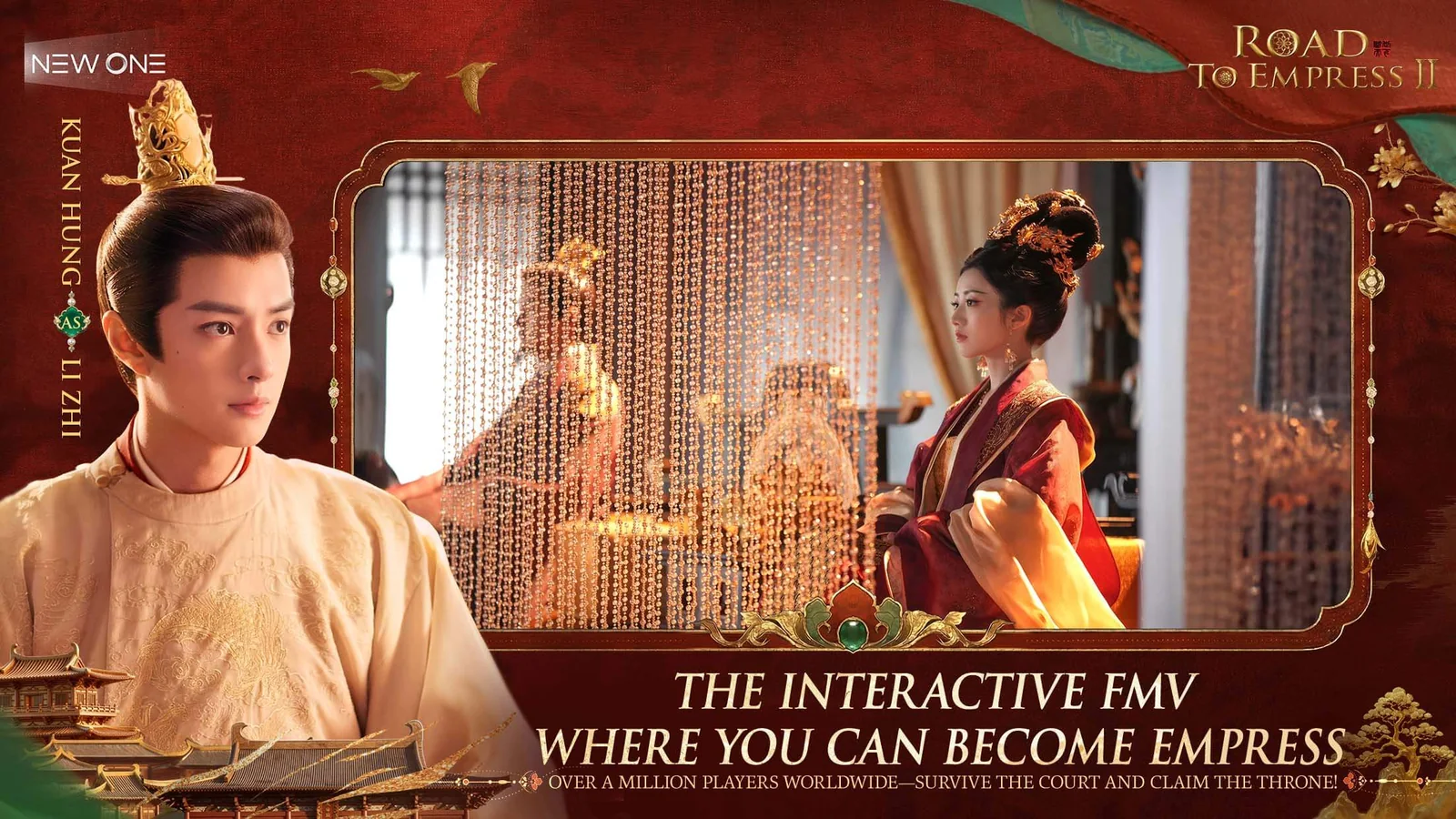
The existing Li Zhi page handles character identity and story context. This Road to Empress 2 romance guide adds a route-state reading instead of copying that profile. Public story material places the connection between Li Zhi and the protagonist inside danger, protection, memory, and court responsibility. When you read an Li Zhi scene, note who can observe the pair and how succession or family duty changes the meaning of a private promise.
A safer Li Zhi plan is not to select the warmest sounding line every time. In one scene, honesty may establish trust; in another, a public declaration can turn both characters into a political target. Decide whether your immediate goal is protection, cooperation, or a public commitment. Keep the goal in your notes, then record the cost when a later answer does not support it.
Use the Li Zhi character, choices, and endings pages when you need exact dialogue or a spoiler-heavy result. This page supplies a reusable framework and a save order. A community label such as good end may depend on language, patch, and previous decisions, so keep the Story Map node and result screen that you actually tested instead of copying an isolated sentence.
Searches about Li Tai combine an individual character question, a route that values freedom outside the throne, and a Prince of Wei side-story question. The Li Tai route page covers entry choices and save order. The side-story page covers a separate escape objective and story block. This romance guide does not replace either page; it explains which boundary to mark before you interpret a relationship result.
If you force every scene into the numbered chapter list, you can miss the side-story entry. Record the current location, Story Map node, immediate objective, and the people present. A reply that looks like closeness with Li Tai can be a faction collision in a public court scene, while an escape scene may prioritize movement and survival over a romantic signal.
When testing Li Tai, keep a main stable slot, a Li Tai entry slot, and a side-story experiment slot. If the result differs from a community note, compare the previous relationship state, evidence, language, and patch before changing several answers. The purpose of a romance guide is reproducible planning, not an unverified list of every person who might appear in a romance article.
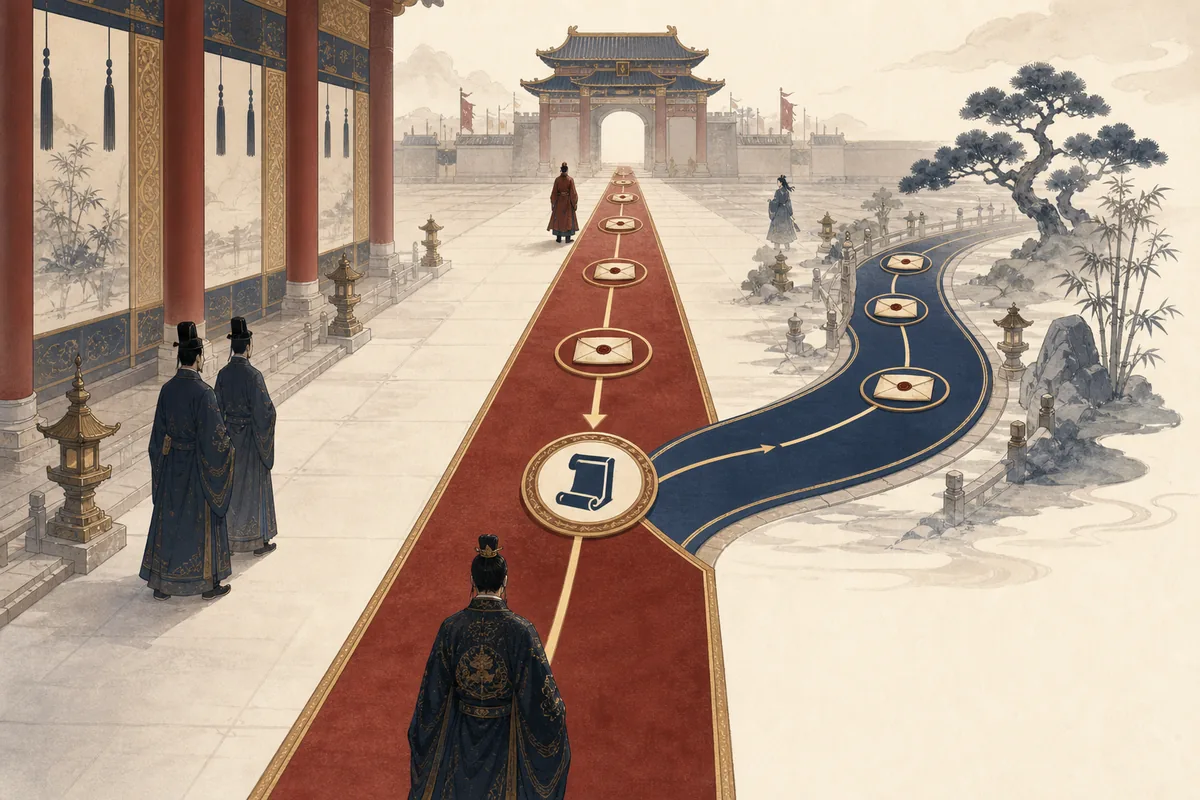
The simplest reliable save plan has three slots. A stable slot preserves the last confirmed main-story checkpoint. An entry slot is made just before a direction can split toward Li Zhi, Li Tai, or a side story. A rotating test slot is disposable and lets you change one answer without destroying the previous state. This structure lets you verify a relationship clue without replaying a long FMV chain.
Name saves by scene function instead of only by character. Use labels such as before the court meeting, before the private confession, before a succession declaration, or before the escape instruction. The same person can appear in a different setting with a different relationship signal. Add the language and patch date when you are comparing a community guide, because it makes a later mismatch easier to diagnose.
Change one variable per test. If you change the answer, the earlier favor, and the evidence at the same time, you cannot tell what moved the route. If the result is delayed, check the next scene and Story Map before reloading. The goal is not merely to see a preferred ending quickly; it is to leave a route record that another run can reproduce.
Write down the location, witnesses, and public or private setting before choosing.
Preserve the stable save, create a route-entry save, and use a disposable test slot.
Change one answer and check the next scene or Story Map node before drawing a conclusion.
Move to the choices or endings guide only when you need exact route details or spoilers.
Search results may present a large set of love interests, gifts, secret endings, and exact affection values. That can be useful for finding questions, but it is unsafe to translate every claim into a fact when the official store page does not confirm it. Start with the official Steam description for palace politics, consequences, character support, and intimate interactions. Then check the scene and result in your own version, and only then consult a community test that states its conditions.
Keep three evidence levels separate. First-party facts are product or feature claims published by the studio or store. In-game observations are what your save actually shows. Community evidence is a reproduction from another player's state. Agreement across levels is stronger, but a single blog naming several characters does not prove an official romance system or a universal route condition.
This site does not copy unverified names such as General Kai, Lord Valerius, Elara, or Prince Theron into an official Road to Empress character list. When a claim is worth mentioning, it is labeled unverified and kept out of the main answer. Readers need a way to compare their game version, scene, Story Map node, and result screen, rather than a list that may belong to a different title or a generic content template.
On a first run, observe relationship signals instead of trying to lock an ending immediately. Read the quick answer and evidence table, note the location and public or private setting, and use the walkthrough only to find your chapter position. When a scene becomes confusing, open the choices diagnosis. This keeps the first run tense while preventing a long replay caused by an overwritten save.
On a second run, use the entry save you created and change one variable. Stabilize one direction, then compare the alternate response from the same scene. Log the result and the Story Map node. Avoid doing relationship testing, every side story, and achievement cleanup at the same time; separate tasks make it possible to identify which action changed the ending.
After a completion, use the endings guide for outcome meaning and the achievements guide for Feats and Steam cleanup. When you search for a scene again, combine the character name with location, witnesses, objective, and public or private setting. This works across translations and reinforces the central point of a Road to Empress 2 romance guide: relationships are managed through memory, pressure, and choices, not only through a visible affection bar.
Romance questions mix fact checking with practical advice. These answers follow the source boundary used by the rest of this page. When you need an exact choice order or a full ending spoiler, use the dedicated sibling guide instead of treating a general relationship framework as a route table.
If a scene could be affection or political alliance, pause before naming it romance. Check the next reaction, the people who witnessed the exchange, and the Story Map node. That evidence is more stable than a translated sentence copied without its previous state.
Official references
FAQ
Related guides