Confirmed
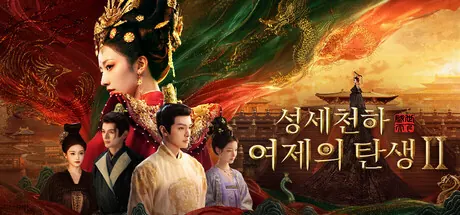
Road to Empress is a live-action interactive story sold through official game stores.
History and fiction guide
Road to Empress uses imperial court language, Tang-style names, live-action costumes, and political survival scenes, but the safest answer is that it is a fictional interactive FMV drama inspired by palace-history themes rather than a verified retelling of one historical woman's life.
Quick answer
Road to Empress is a live-action interactive story sold through official game stores.
The setting borrows palace politics, etiquette, rank pressure, and Tang-flavored historical language.
The game is not verified as a scene-by-scene biography or factual record of one real empress.
Search intent boundary
| Question | Best answer | Where to go next |
|---|---|---|
| Is the story real? | Use a cautious answer: historically inspired court fiction, not a verified documentary. | Stay on this page for source checks and interpretation. |
| Who plays each role? | That is a cast and actor-verification task, not a historical-proof task. | Use the cast guide. |
| Which choices lead to bad endings? | That is gameplay route logic, even when the scene uses historical court language. | Use the endings guide. |
| Where can I buy or download it safely? | Use official stores and avoid APK mirrors or cracked PC downloads. | Use the release-date and platform guide. |
Road to Empress looks more like a palace drama than a typical menu-heavy visual novel. It uses live-action footage, formal court settings, imperial titles, relationship pressure, punishment scenes, and political language. Because of that, players naturally ask whether the plot is adapted from a real empress, a Tang-dynasty incident, or a known historical novel.
The better question is not simply real or fake. A game can borrow names, dynastic atmosphere, court institutions, costume language, and the emotional structure of palace survival without claiming that every branch is historically factual. Road to Empress is best read in that middle space: historical-flavored interactive fiction with official store pages, not a museum reconstruction.

Official sources prove the product identity: Road to Empress I and Road to Empress II are live-action interactive story games with official Steam pages, store screenshots, trailers, and platform listings. They also help verify release timing, developer or publisher wording, supported platforms, and whether a video or screenshot is connected to the real game.
Official sources do not automatically prove that a character's route, betrayal, romance, death, or promotion is a direct historical event. Store copy is written to describe the experience, not to annotate every historical reference. That is why this guide separates official game facts from historical interpretation.
One reason this question appears is that players search for names such as Li Tai. Li Tai is also a recognizable historical name connected to the Tang imperial family, so search results can mix game pages, drama pages, encyclopedia material, and historical summaries.
That overlap should be handled carefully. If a game character shares a name or title with a historical figure, it does not mean the entire plot is a biography. The safe editorial approach is to explain that the game draws on court-history vocabulary while keeping actor claims, character interpretation, and real-history claims in separate lanes.
Historical context can make the game easier to understand. Court rank, public speech, reputation, faction loyalty, witnesses, and imperial favor all explain why one answer can be dangerous even when it sounds emotionally correct.
Still, history should not replace route logic. If you are stuck, ask what the scene is testing: public loyalty, private trust, evidence, romance risk, political usefulness, or obedience. Then use the endings guide for gameplay consequences. This keeps this page focused on interpretation while the route page handles spoilers.
This page does not claim that Road to Empress is a fully accurate historical account, and it does not publish unverified actor or character claims as facts. It also does not use unofficial APK pages, cracked downloads, or scraped video mirrors as evidence.
For a game with fast-moving search demand, that restraint matters. A thin page can rank by repeating historical names, but it may mislead players. A useful guide should tell readers what is known, what is inferred, what belongs to gameplay, and what should be checked against official sources.
Sources
FAQ